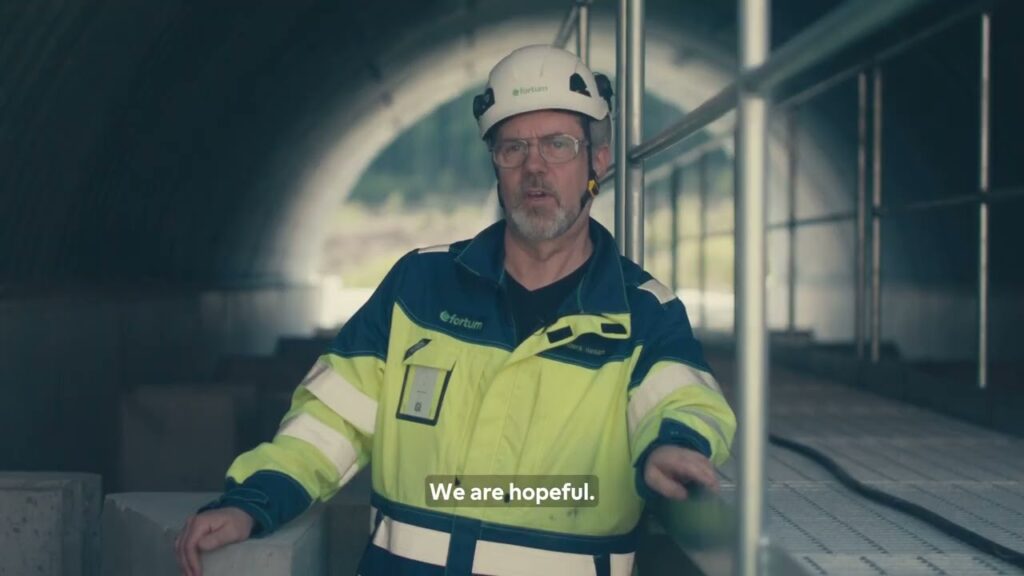
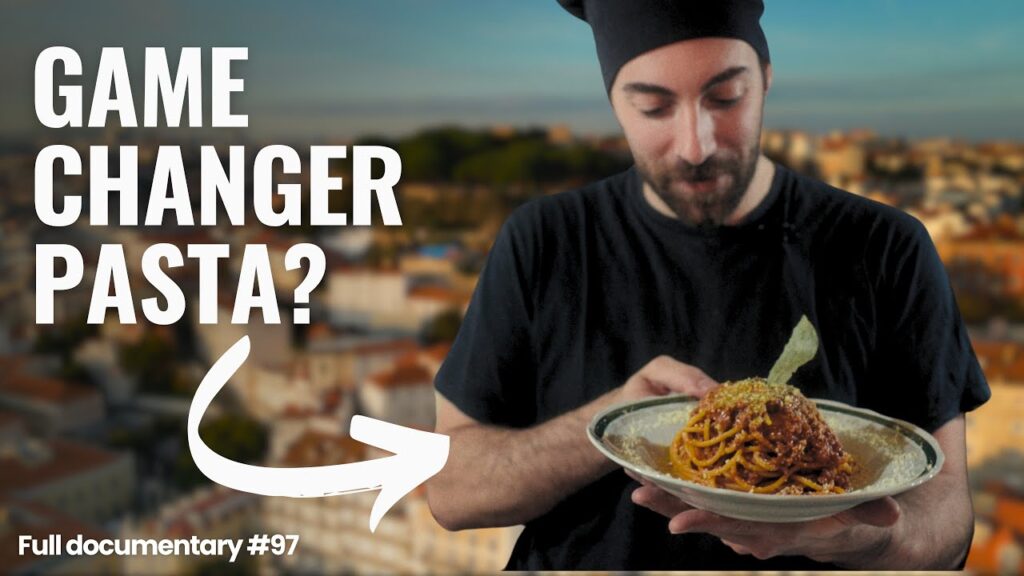
Lykke Coffee Farms works directly with coffee farmers, in a part of the chain most of their customers never see. In 2024 we went to Uganda with them. A year later, they asked us to come along to Brazil.
Regardless of what your product is, I think that there’s a story to tell. And the more you engage with good storytellers, I think there’s a win for you as a company, your product and the mission you’re on.
Lars Pilengrim, Co-founder, Lykke Coffee Farms
Uganda, September 2024
In Uganda’s Rwenzori mountains, a smallholder farmer may earn a little over 100 dollars a year from coffee. Lykke built a washing station there that can serve up to 3,000 farmers, and trains local coffee scouts who each work with up to 100 farmers on pruning, soil and harvesting.
We spent a week in the mountains with co-founder Lars Pilengrim. Robin Danehav travelled with Isak Friberg and the Ugandan filmmaker Deo Kuset.
What it became
- Every Bean Has a Home, a 40-minute documentary about Lars and the farmers, on Robin’s YouTube channel (at the top of this page).
- Beyond the Brew, Lykke’s own film about the project.
- Still images for Lykke’s channels.
The premiere was held at Lykke Nytorget, Lykke’s café in Stockholm, for customers and invited guests.
Brazil, October 2025
A year later, Lykke asked us to come along again. We stayed at Fazenda Ambiental Fortaleza in Mococa, São Paulo state, the farm of Lykke’s partner Felipe Croce, and travelled from there to other coffee farms to talk with the farmers.
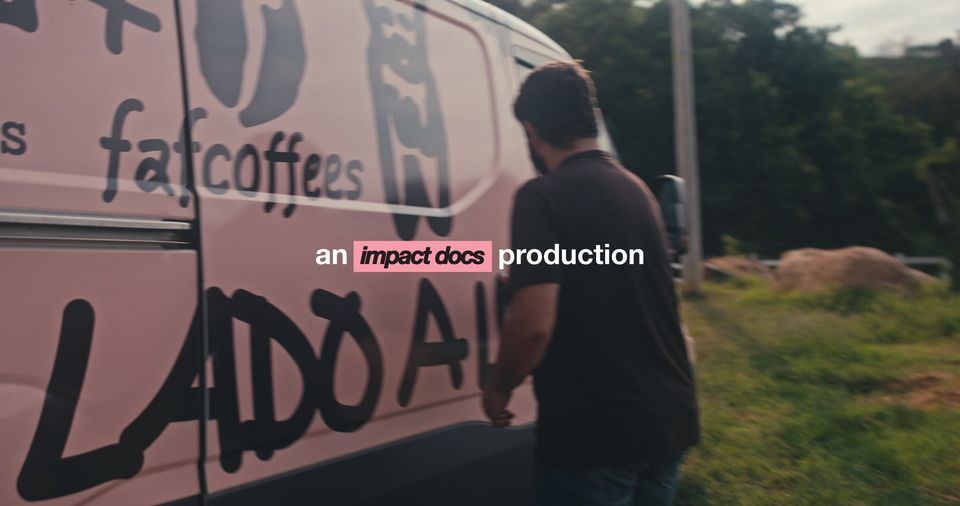
We also followed Lado a lado, a coffee lab in a van. It brings the cupping table to the farms, so farmers can taste their own coffee, freshly and properly roasted, next to their neighbours’. Most of them never get to do that. The aim is to spread knowledge and the will to grow better coffee, which also brings in more income and helps protect future harvests.
What it became
- The Last Generation of Coffee, a documentary about Felipe Croce on Robin’s YouTube channel, with Lars in a guest role.
- Two films for Lykke: one about coffee and the climate, one about Lado a lado.
- Two reels on the same themes.
- A large set of still images.
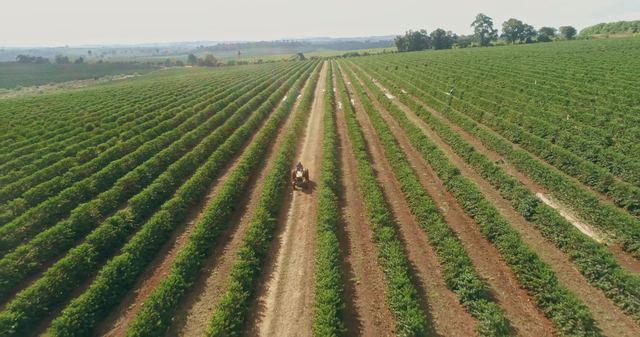
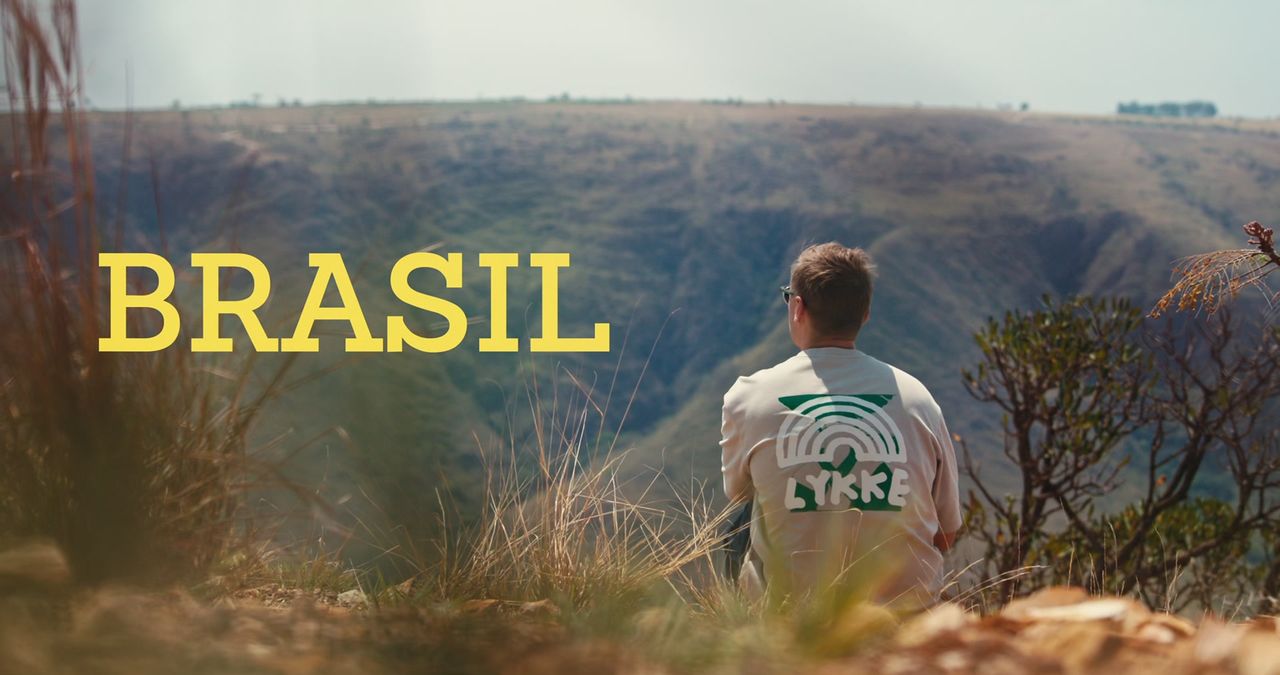
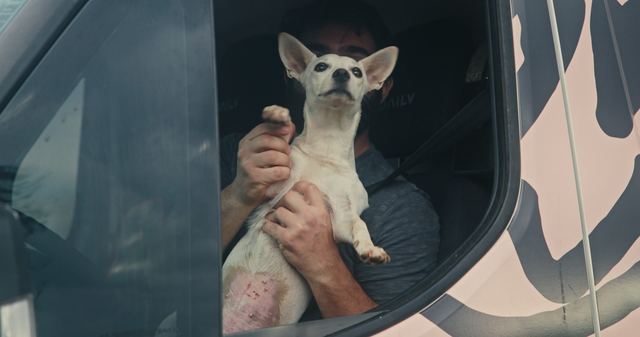
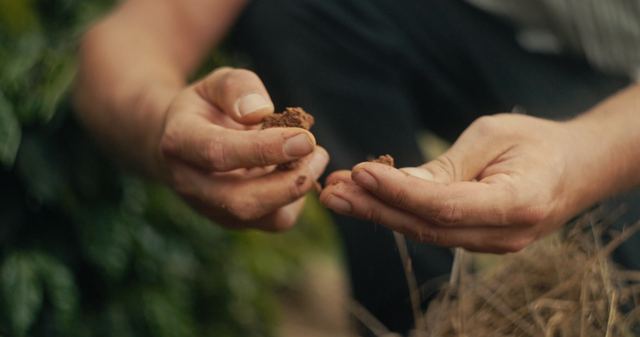
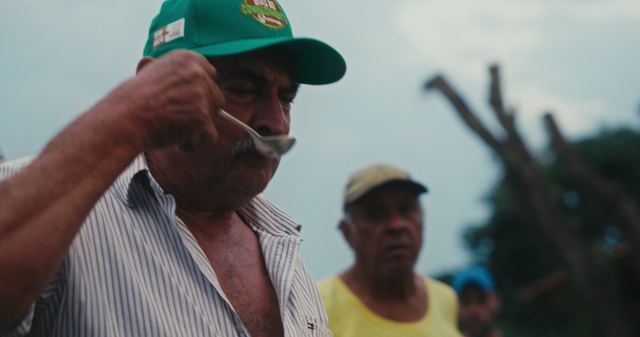
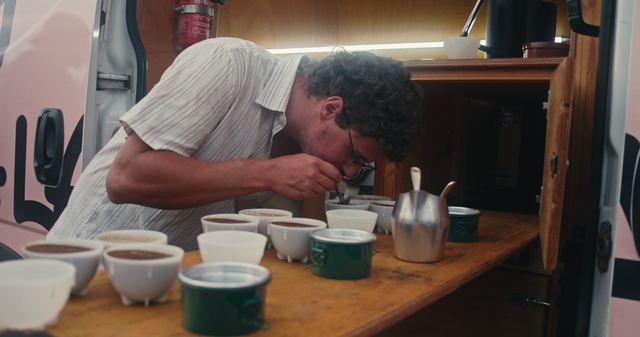
Watch the documentary from Brazil on its own page: The Last Generation of Coffee.
Why it works
One trip gives several formats, each with its own job.
- The long documentary is Robin’s to tell, on his YouTube channel. It reaches people who would never visit Lykke’s.
- The films for Lykke are made for their own channels and events.
- The reels are cut from the same material, for social media.
- The stills cover everything else.
Most companies would leave the independent documentary out. It is the part that makes everything else believable. Nobody shaped Lars’s story to sell coffee, and that is why people listen to it. Lykke’s own films stand on the same ground.
As more of what we watch is generated, true stories about real people only become more valuable. Lykke saw that after one trip, and came back for a second.