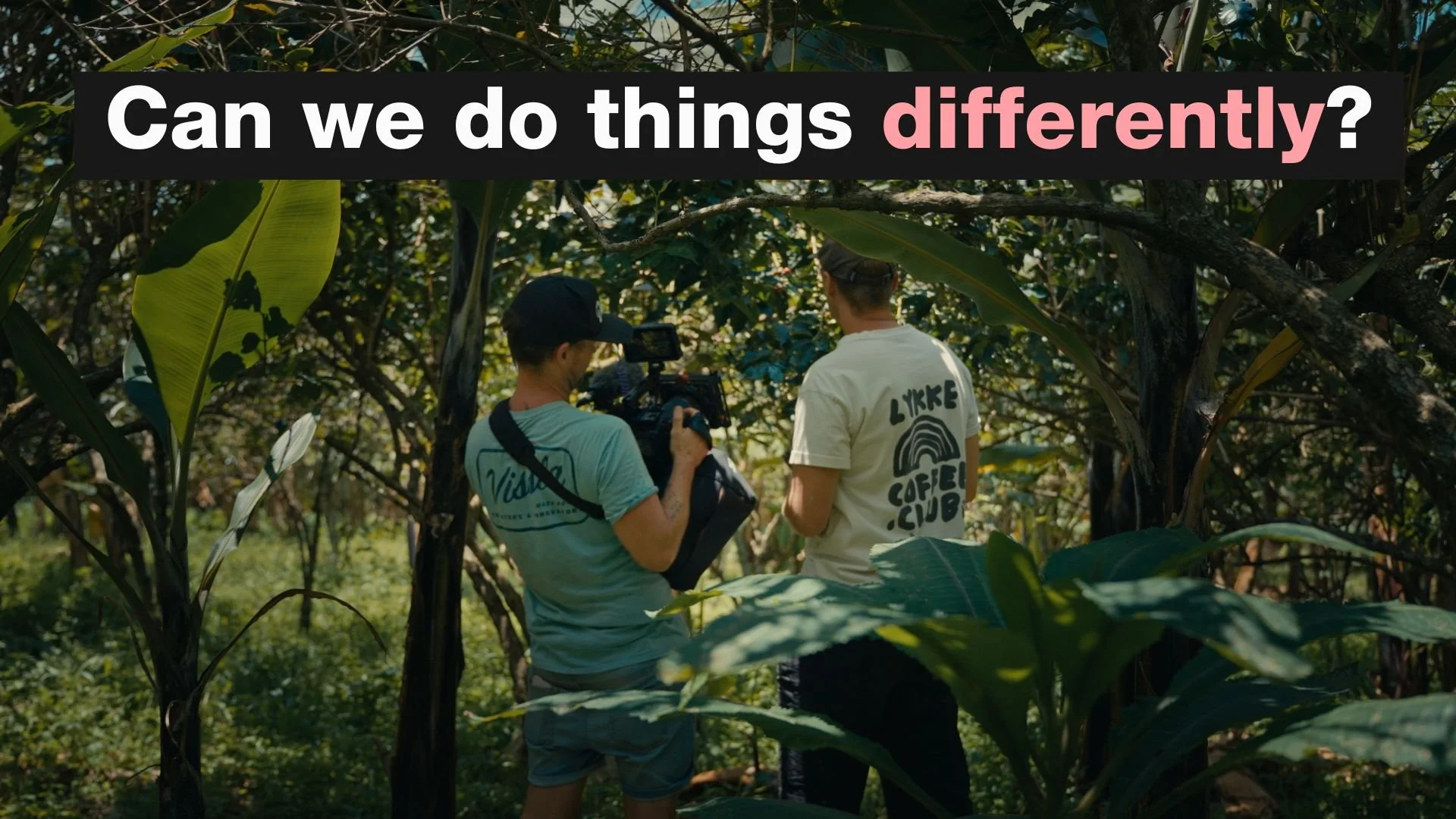
For a long time, I thought I was building a production company. What I was actually looking for was a way to make films that mattered, to me and to the people watching them.
For companies, that became documentaries: films that show what is actually happening and who it is happening to, not with buzzwords, but with real moments people recognise.
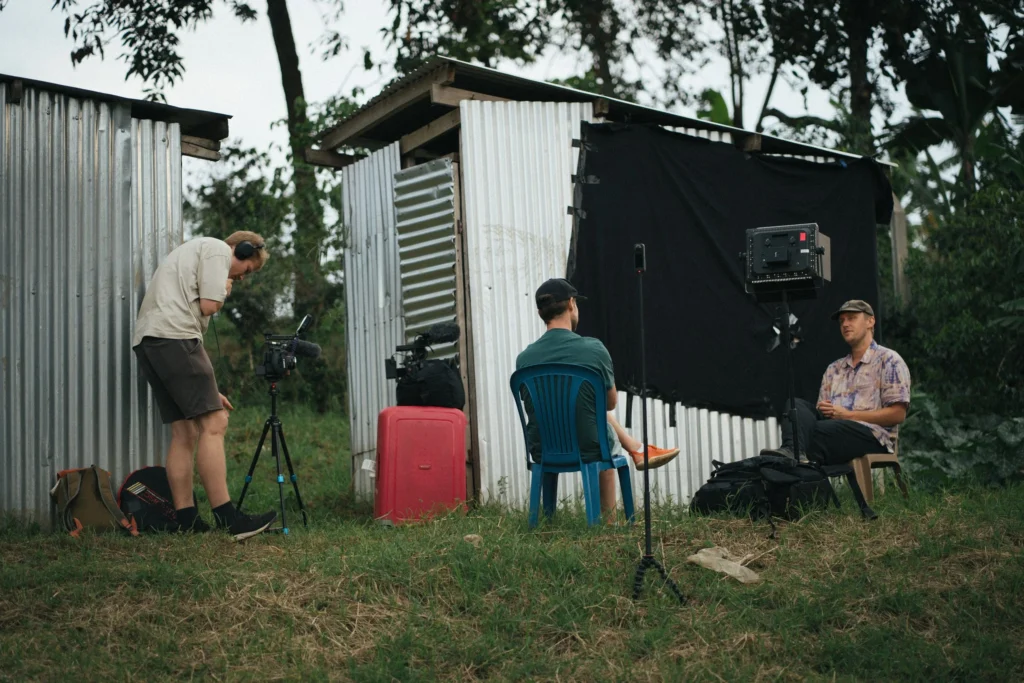
The moment it clicked
Somewhere between hauling gear through snowstorms and watching beautifully shot footage fall flat in the edit, I realized something: People don’t want perfect. They want real.
The work I was most proud of, the films that actually moved people, had one thing in common: they were true. Not slick, not spun. Just honest.
That’s when the shift started.
The slow change toward something better
I didn’t stop making films for companies. I started doing it differently.
I said no to projects that didn’t fit. I focused more on the stories I wanted to tell. I leaned into the messy, meaningful, emotional kind of work that stayed with people long after the credits rolled.
Gradually, what I was doing changed enough to deserve its own name. That became Impact Docs: documentary films with companies.
What I have learned since 2008
I have made films since 2008, for more than 600 companies. I have spent almost as much time explaining why a true story matters as I have making the films.
That is part of what clients pay for. Not just someone to hold the camera, but someone who knows what makes a film work, for the audience and for the company, over time.
Not everyone inside a company sees this at first, and it can be hard to get through to every level of leadership. But when the right story is told with care, it does more than perform. People remember it.
Yes, I know “storytelling” is overused. That doesn’t make it less true.
Let’s be honest. The word “storytelling” gets thrown around a lot. It’s on every agency slide. It’s in every pitch deck.
But the basic principles haven’t changed. It’s still the story that counts.
We might edit it differently depending on where it will live. A film premiere, your website, or social media. But the core truth needs to be there. That’s what makes people feel something. That’s what sticks.
You’re surrounded by stories, you just can’t see them
For me, documentary work is about access. Bringing people to places they wouldn’t otherwise get to see.
The funny thing is, we all have access to places that are completely unavailable to others. We just don’t realize it, because to us, it’s normal.
I’ve spoken to people in Indonesia, Uganda, Thailand, and Hawaii. They’ll say, “I’d love to see Sweden someday.” And I reply, “Come in the summer, the winters are horrible.”
But every time, they respond:
“I’ve never seen snow. That sounds amazing.”
That thing I’ve taken for granted, snow, silence, slush – is exotic to someone else.
It’s the same with your company.
You’re surrounded by stories, routines, and truths that would blow someone else’s mind. But you’re too close to see it. That’s what we call being “hemmablind” in Swedish, blind to your own world.
The chaos behind the scenes. The reason the company exists. The culture no one ever films.
These might not belong in ads. But they do make unforgettable documentaries.
A documentary is not a one-off
A documentary for your company is a long-term asset. From one production you can get:
- A long film that builds trust
- Short clips for marketing, onboarding and recruiting
- Articles based on the interviews
- A foundation for talks, newsletters and campaigns
And it is all rooted in what is true, which is what people connect with.
Why I walked away
I didn’t leave video production. I just stopped doing it the way everyone else does.
I believe that when a company is doing something that matters, the story deserves to be told right.
If that is your company, I’d like to help you tell it. Book a free 30-minute call.
Robin Danehav