Images can be faked. Voices can be faked. Soon, whole films can be faked.
What can’t be faked is that someone was there.
I have said for a while that true stories about real people are becoming a rare gift to an audience. The more of what we watch is generated, the more valuable the real thing becomes.
I still believe that. But lately I think it undersells what is happening. Rarity is about value. What is coming is about trust.
From rare to proof
When anything can be generated, every image becomes a claim. Every polished brand film becomes a question: did this happen, or did someone just describe it to a machine?
A documentary answers that question in a way nothing else can. The people in it exist. They stand behind what they say. The places are real, and you can go there.
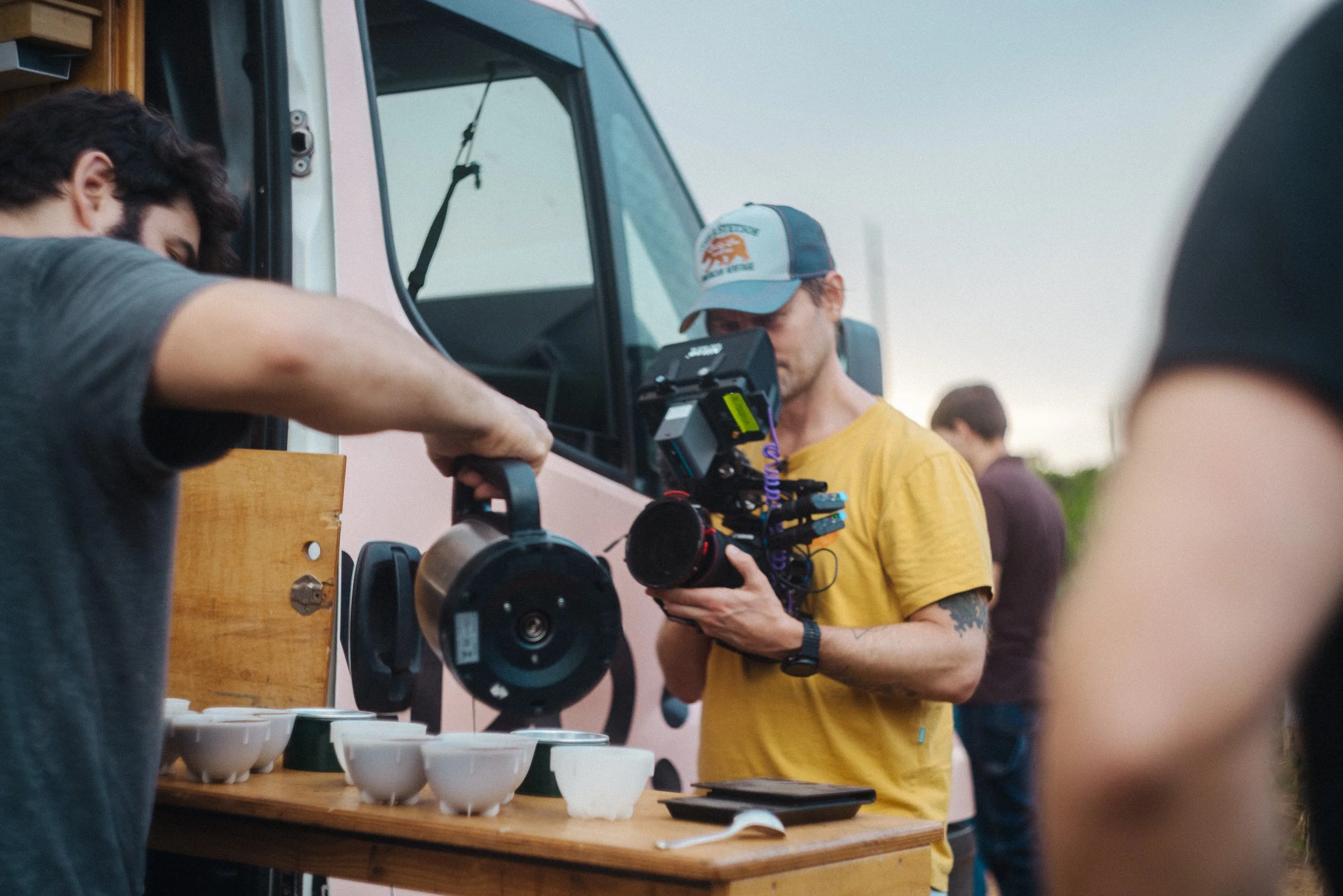
When we filmed with Lykke Coffee Farms in Uganda, we filmed a washing station in the Rwenzori mountains and the farmers who bring their coffee to it. You can travel there. You can call Lars Pilengrim and ask him if he meant what he said. That is not a feature of the film. It is the whole point of it.
Nothing to generate
There is no reason to generate anything in a documentary. It goes against every rule of the form. A documentary is a record of something that happened, with the people it happened to.
The only reason to fake a person, a voice or a place in a film that claims to be true is to make people believe something that isn’t. That isn’t storytelling. It is propaganda.
So the line is simple, and it gets more valuable every year: we film what is there.
Docs, as in documents
The studio is called Impact Docs. Docs, as in documentaries. But the other meaning of the word matters more and more.
A document is evidence. It shows what happened, who was there and what they said. For a company, that changes what a film is for.
Sustainability claims, craft, care, the people behind a product: these are exactly the things audiences have learned to doubt, because they are easy to say. A documentary doesn’t say them. It shows them, with real people who put their names and faces on it.
What this means for companies
If you want to be trusted in a world full of generated content, you need something the generated content doesn’t have. Not a better message. A record.
That means letting someone film what is actually happening in your company, with the people who make it happen, and letting the story be what it is. It is a bit uncomfortable, and that is exactly why it works.
Good examples spread. They just need to be seen, and believed.